
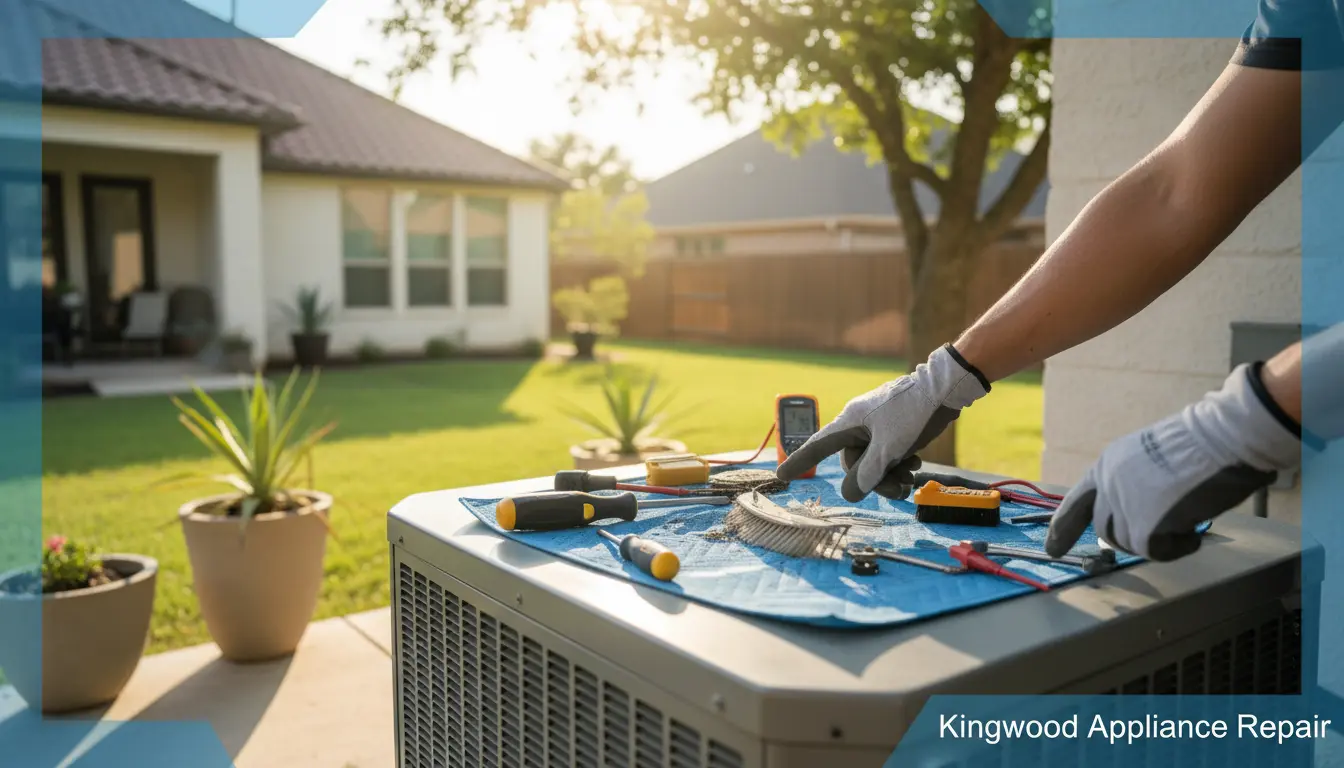
As the relentless Texas sun beats down on Kingwood, your air conditioning unit becomes your home’s unsung hero. But with temperatures soaring into the triple digits, that hero can quickly turn into a damsel in distress. If you’ve noticed your AC struggling to cool your space or hearing unusual noises, you’re not alone. The extreme heat in our area puts immense pressure on HVAC systems, leading to breakdowns and skyrocketing energy bills. At Kingwood Appliance Repair, we’ve seen it all—from minor strains to major failures—and we’re here to help you navigate the summer heat without breaking a sweat.
In this guide, we’ll explore how Texas heat impacts your AC unit, share practical tips to mitigate the damage, and explain why timely maintenance is crucial for Kingwood residents. Whether you’re in the heart of Kingwood or nearby areas like The Woodlands, staying proactive can save you time, money, and discomfort.
Understanding the Impact of Texas Heat on Your AC
Texas summers are notorious for their intensity, and Kingwood is no exception. With humidity levels that can make it feel even hotter, your AC unit works overtime to maintain a comfortable indoor environment. But what exactly does this heat do to your system?
Overworking the Compressor
The compressor is the heart of your AC unit, responsible for circulating refrigerant to remove heat from your home. In Texas heat, it runs nearly non-stop, leading to excessive wear and tear. High temperatures cause the compressor to overheat, reducing its efficiency and lifespan. According to industry experts, units in hot climates like ours can fail up to 20% faster without proper care.
If you’re experiencing inconsistent cooling, it might be time for a diagnostic tune-up service to check your compressor’s health. Our team at Kingwood Appliance Repair specializes in identifying these issues early, preventing costly replacements.
Strain on Refrigerant Levels
Heat accelerates refrigerant leaks, as seals and coils expand and contract under thermal stress. Low refrigerant means your AC can’t absorb heat effectively, forcing it to cycle more frequently. This not only raises your energy bills but also risks freezing the evaporator coils, leading to complete system shutdowns.
In Kingwood’s humid climate, this problem is amplified. We’ve helped countless homeowners in Spring restore their systems by recharging refrigerant and sealing leaks—services that keep your home cool without unnecessary strain.
Electrical Component Stress
Extreme heat affects the electrical parts of your AC, including capacitors, relays, and wiring. Insulation can degrade, leading to shorts or failures. During peak summer, power surges from widespread AC usage can exacerbate this, causing tripped breakers or burnt-out components.
Regular inspections are key. For instance, if your unit is older, consider our comprehensive checks to ensure all electrical elements are up to par.
Practical Tips to Protect Your AC from Texas Heat
Don’t wait for a breakdown—arm yourself with these expert-recommended strategies to safeguard your AC. These tips are tailored for Kingwood’s unique weather patterns and can extend your unit’s life while optimizing performance.
Schedule Regular Maintenance
Prevention is better than cure, especially in our scorching climate. Aim for bi-annual tune-ups: once in spring to prepare for summer and again in fall. During these visits, technicians clean coils, check refrigerant, and lubricate moving parts.
At Kingwood Appliance Repair, our diagnostic tune-up service includes a thorough inspection of heat-affected areas. Call us at (281) 783-3336 to book an appointment and avoid the rush when temperatures spike.
Optimize Your Thermostat Settings
Set your thermostat to 78°F when home and 82°F when away—this balances comfort and efficiency. Programmable or smart thermostats can automate this, reducing runtime during peak heat hours (typically 2-6 PM).
For Kingwood families, this simple adjustment can cut energy use by up to 10%. If your thermostat is outdated, upgrading ensures precise control, preventing overworking your AC.
Improve Home Insulation and Shading
Heat gain from the sun turns your home into an oven, making your AC fight harder. Seal windows and doors to prevent hot air infiltration, and use blackout curtains or exterior shades on south-facing windows.
In neighborhoods like Pinewood Village, where homes are often surrounded by trees, natural shading helps. But if your insulation is poor, it could be letting heat seep in—consider a professional audit to identify weak spots.
Clean and Replace Filters Monthly
Dirty filters restrict airflow, causing your AC to strain against the heat. Check and replace them every month during summer, or more frequently if you have pets or allergies.
This low-effort tip improves efficiency by 5-15% and reduces the risk of coil icing. It’s one of the first things we recommend to clients in The Highlands facing heat-related issues.
Ensure Proper Airflow Around the Unit
Keep the outdoor condenser free of debris like leaves, grass, or dirt—common in Kingwood’s lush surroundings. Trim bushes at least 2 feet away and clear a 3-foot radius around the unit.
Poor airflow forces the fan to work harder, amplifying heat damage. If vines or overgrowth are an issue, our technicians can assist during a service call.
Consider Upgrading to a Heat-Resistant Model
If your AC is over 10 years old, it might not be equipped for Texas extremes. Modern units with variable-speed compressors handle heat better and use less energy.
For eco-conscious Kingwood residents, high-SEER models qualify for rebates. We at Kingwood Appliance Repair can guide you through options that suit Deer Trail homes perfectly.
Common Signs Your AC is Suffering from Heat Stress
Recognizing early warning signs can prevent a full meltdown. Watch for:
- Reduced Cooling Power: Rooms take longer to cool or feel warmer than usual.
- Strange Noises: Grinding or hissing indicates strained components.
- Higher Energy Bills: A sudden spike suggests inefficiency.
- Frequent Cycling: Short on/off cycles mean the unit is overworking.
- Water Leaks: Could signal frozen coils from low refrigerant.
If you spot these in your Kingwood home, don’t delay—contact us for prompt ice maker repair if integrated, or general AC diagnostics. Wait times can double during heatwaves, so proactive service is essential.
FAQ: Texas Heat and Your AC Unit
1. How often should I service my AC in Kingwood’s climate?
We recommend twice a year, with a focus on pre-summer checks. This ensures your unit is heat-ready and catches issues early.
2. Can Texas humidity damage my AC more than dry heat?
Yes, humidity causes coils to ice up and promotes mold growth inside the unit. Regular cleaning and dehumidification help mitigate this.
3. What if my AC breaks down during a heatwave?
Call Kingwood Appliance Repair at (281) 783-3336 for emergency service. We prioritize Kingwood and surrounding areas to get you cooling fast.
4. Are there energy-saving tips specific to Texas summers?
Use ceiling fans, close blinds during the day, and avoid using heat-generating appliances midday. Pair this with AC maintenance for best results.
5. How do I know if my AC needs refrigerant due to heat?
Signs include warm air from vents or hissing sounds. A professional recharge is necessary—DIY attempts can void warranties.
Conclusion: Stay Cool with Kingwood Appliance Repair
Texas heat doesn’t have to spell disaster for your AC unit. By understanding its effects and implementing these expert tips, you can enjoy reliable cooling all summer long. From overworked compressors to refrigerant woes, staying ahead keeps your Kingwood home comfortable and your wallet happy.
At Kingwood Appliance Repair, we’re your local experts serving Kingwood and beyond. Don’t let the heat win—schedule a diagnostic tune-up service today by calling (877) 886-4281. Your AC will thank you, and so will your family. Stay cool, Kingwood!